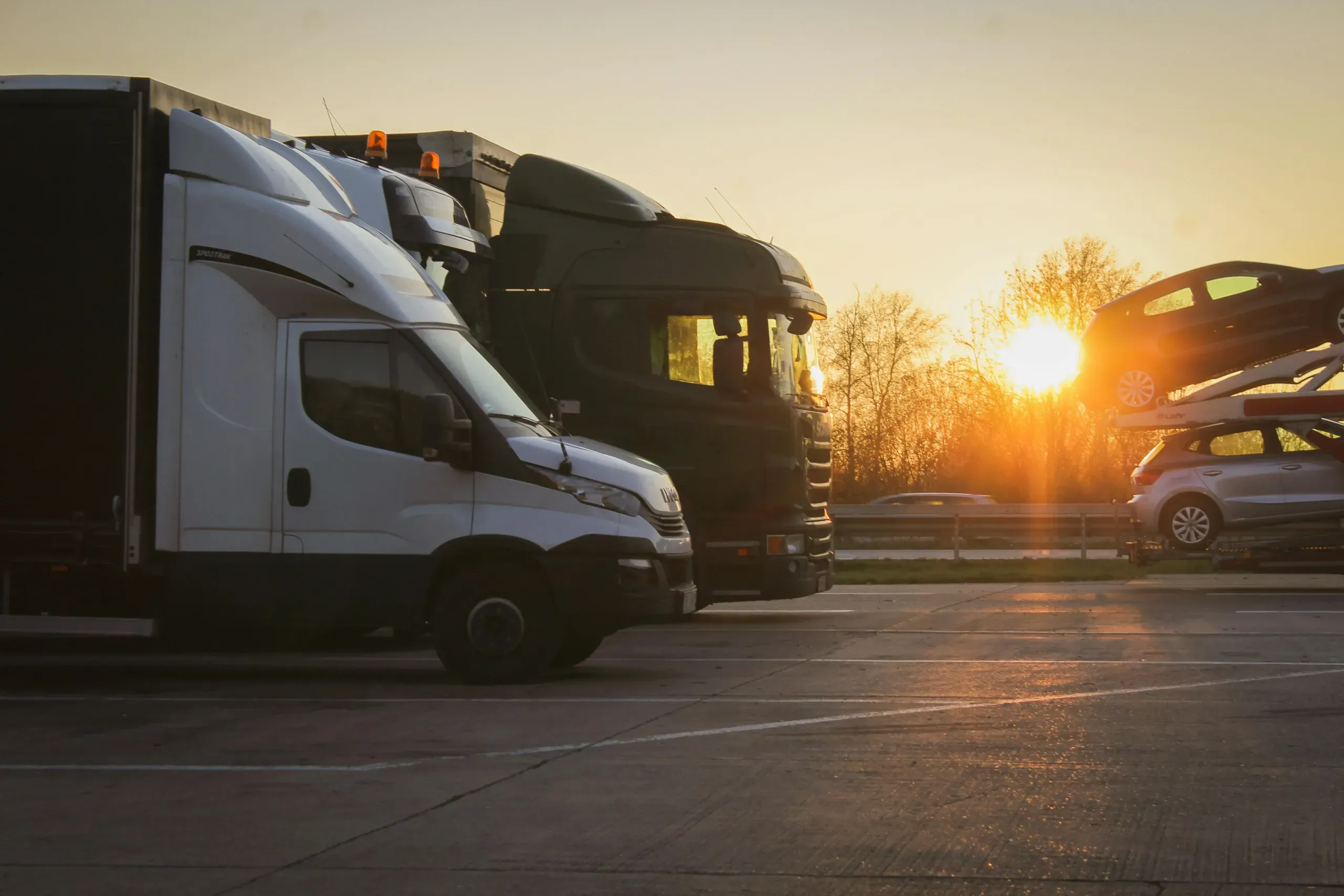
Ship Car from Utah to Oklahoma
Shipping a vehicle from Utah to Oklahoma covers a distance of approximately 1,234 miles, with standard transit times typically ranging between three and five days. This route primarily utilizes major interstate corridors, allowing for efficient, door-to-door transport across the region. Whether you are relocating, purchasing a vehicle online, or managing logistics for a family member, navigating the process requires a clear understanding of the industry. This guide covers essential details including cost factors, transit expectations, the booking process, carrier verification, vehicle preparation, and answers to common shipping scenarios frequently encountered on this stretch.
- No-obligation quote within 2 minutes
- Price all-inclusive
- No charge until driver confirmed
- Distance
- 1,234 mi
- Transit time
- 3–5 days
- Open carrier from
- $1,400
How much does it cost to ship a car from Utah to Oklahoma?
To ship a car the 1,234 miles from Utah to Oklahoma, you can expect to pay between $1400–$1850 for open transport and $2650–$3550 for enclosed, with the trip taking 3 to 5 days. The final price comes directly from the independent carriers who actually move your vehicle. We connect you with a qualified driver for your specific route. Several factors determine where your quote falls within that range, including your vehicle's size, the type of trailer you choose, and your exact pickup and delivery locations.
What factors affect car shipping cost?
Your final rate is rarely static; it shifts based on specific logistics that impact a carrier’s time and fuel consumption. These primary variables determine where your quote lands within the typical market range:
- Vehicle dimensions: Larger trucks and SUVs occupy more trailer space and increase weight.
- Transport type: Enclosed trailers provide premium protection at a higher cost than standard open carriers.
- Scheduling flexibility: Wider pickup windows allow drivers to optimize their routes more efficiently.
- Seasonal demand: High-traffic periods like summer or snowbird migration often drive up base rates.
- Route accessibility: Deliveries to rural locations off the main interstate corridors require more time and fuel.
- Vehicle operability: Non-running cars require specialized winching equipment to load and unload safely.
By understanding how these elements interact, you can better plan your shipment and potentially adjust your requirements to align with your personal budget.
Open vs. enclosed car transport: which should you choose?
Choosing between open and enclosed transport comes down to your vehicle’s value and your specific protection needs. Open transport is the industry standard, used for about 85% of all shipments. It is the same method dealers use to move brand-new cars from factories to showrooms. With a typical cost around $1,542, it is the most efficient choice for daily drivers, standard SUVs, and commuter vehicles.
Enclosed transport provides a fully sealed environment, shielding your vehicle from road debris, dust, and weather. While it typically costs around $2,948-roughly 1.6 to 1.8 times the open rate-it is the best investment for high-value, classic, or custom vehicles. If you are shipping an exotic car, a sensitive vintage restoration, or a vehicle with very low ground clearance that requires extra care during loading, the premium protection of an enclosed trailer is well worth the added cost.
- Open carrier
- $1,400–$1,850
- Standard 7–10 car hauler.
- Enclosed carrier
- $2,650–$3,550
- Sealed trailer for high-value vehicles.
How long does it take to ship a car from Utah to Oklahoma?
The journey between Utah and Oklahoma spans 1,234 miles, and you should plan for a transit window of three to five days. While the drive time non-stop is under 18 hours, professional carriers follow strict federal safety regulations that limit how many hours they can spend behind the wheel each day. Once you factor in necessary loading time, fuel stops, and mandatory rest periods, most drivers cover roughly 400 to 500 miles daily. Keep in mind that external variables like regional weather patterns or heavy traffic near major cities can shift these estimates slightly. We will provide a more specific delivery window once your carrier is assigned.
Which routes do carriers usually take?
Carriers typically route this 1,234-mile journey by heading east out of Utah, primarily utilizing I-80 E or I-70 E. Leaving the Wasatch Front, drivers must navigate significant elevation changes and steep mountain grades, particularly when traversing the Wasatch Plateau. Once clear of the Rockies, the route transitions into the open plains, eventually connecting to major Oklahoma arteries like I-35 or I-40. Pickup density is highest in the Salt Lake City metro area, where carrier availability is robust. Throughout the transit, drivers monitor weather patterns over high-altitude passes and navigate potential urban congestion bottlenecks near Oklahoma City and Tulsa to ensure steady progress toward your destination.
What can delay your shipment?
Even with a well-planned route, several variables can influence your delivery timeline. Winter travel is a primary factor; the high-altitude passes on I-80 through Parleys Canyon and I-70 across the Wasatch Plateau frequently face closures or chain requirements during storms, which can stall carrier progress. Additionally, spring weather in Oklahoma can bring severe thunderstorms and high crosswinds that necessitate caution for high-profile trailers. Aside from weather, weekend pickup gaps are common since carrier activity is lower on Saturdays and Sundays. Finally, missing documentation-such as gate pins or lot numbers for auction pickups-is a frequent cause of delay that keeps a vehicle waiting at the origin.
Popular Routes
Major city-to-city routes on the Utah → Oklahoma corridor.
| From | To | Approx. distance | Transit |
|---|---|---|---|
| Salt Lake City, UT | Oklahoma City, OK | ~860 mi | 3-5 days |
| Ogden, UT | Tulsa, OK | ~930 mi | 3-5 days |
| Provo, UT | Norman, OK | ~850 mi | 3-5 days |
| St. George, UT | Broken Arrow, OK | ~990 mi | 3-5 days |
| West Valley City, UT | Smith Village, OK | ~870 mi | 3-5 days |
| Logan, UT | Edmond, OK | ~880 mi | 3-5 days |
| West Jordan, UT | Lawton, OK | ~850 mi | 3-5 days |
| Orem, UT | Moore, OK | ~850 mi | 3-5 days |
| Taylorsville, UT | Midwest City, OK | ~870 mi | 3-5 days |
| Kearns, UT | Enid, OK | ~820 mi | 3-5 days |
How does shipping a car from Utah to Oklahoma work?
Shipping a car from Utah to Oklahoma follows a straightforward three-stage process: request a quote, schedule your pickup, and receive your vehicle at your final destination. First, we gather your route and vehicle details to connect you with a vetted carrier from our network. Once you confirm, the driver handles the logistics, inspecting your vehicle at the origin before loading it for the journey. Finally, the carrier delivers your car directly to your chosen address, where you conduct a final inspection and settle the remaining balance directly with the driver.
What happens between booking and pickup?
Once your booking is confirmed, the following steps occur as your vehicle moves toward its pickup date:
- Your shipment is posted to the national load board, where qualified carriers in our network can view the route details.
- An independent carrier accepts your load and is formally dispatched to the pickup location.
- You receive a notification from us containing the carrier’s contact information, driver details, and an updated estimated time of arrival.
- The driver contacts you to establish a specific 1-to-3-day pickup window, ensuring they arrive when it is convenient for you or your designated contact.
- On the day of pickup, the driver performs a thorough, 21-point visual inspection of the vehicle, documenting any existing conditions on the Bill of Lading.
- You conduct a final walk-around with the driver, confirm the inspection notes, and hand over the keys as the vehicle is loaded for departure.
What is a bill of lading (BOL)?
The Bill of Lading (BOL) serves as both the official contract for transport and a detailed condition report for your vehicle. At pickup, the driver performs a thorough, 21-point inspection to document the car's current state, noting any existing scratches, dents, or pre-existing damage. You sign this document before the vehicle leaves. Upon delivery, the driver repeats this inspection. It is critical that you take the time to examine your car carefully in good lighting before signing the final BOL. By comparing the two reports, you ensure that any new damage is identified immediately, providing the necessary documentation for any potential insurance claims.
After delivery: registration and inspection in Oklahoma
Once your vehicle arrives in Oklahoma, you must act quickly to comply with state laws. If you are a new resident, you have 30 days to title and register your vehicle. If you purchased the vehicle out-of-state, you must pre-register it within two business days and fully title it within approximately 60 days. You will need to visit a Service Oklahoma location or a licensed operator in person, as the vehicle must undergo a physical VIN inspection on-site. Be sure to bring your out-of-state title, proof of Oklahoma insurance, and your driver’s license. While Oklahoma does not require routine safety or emissions testing, you will be responsible for registration fees based on the vehicle's age. For the most current forms and checklists, visit Service Oklahoma.
Before you finalize your Oklahoma registration, remember to remove your Utah license plates if you sold the car. If you moved, you can now cancel your Utah registration online via the Motor Vehicle Portal to potentially receive a prorated refund if your unused fees exceed $40.
How do you verify a car transport company is legitimate?
Verifying the legitimacy of an auto transport company is the most important step you can take to protect your vehicle. Every carrier operating legally in the United States must have a Motor Carrier (MC) number and a Department of Transportation (DOT) number. You can verify these credentials through the Federal Motor Carrier Safety Administration (FMCSA) official website. A legitimate provider will be happy to share these numbers; if they seem hesitant or cannot provide them, move on.
The FMCSA portal also allows you to check for active insurance and look up a company’s safety record. Beyond federal registration, always demand a written agreement before providing any payment information. This document should clearly outline the total cost, insurance coverage, and pickup/delivery terms.
Beware of any company that requests a deposit or full payment before a carrier is actually assigned to your vehicle. A reputable broker only charges their service fee once a driver has been confirmed and dispatched. Finally, look for consistent, verified feedback on independent platforms like the Better Business Bureau (BBB) or Transport Reviews. These sites provide a broader picture of a company’s history than a website's own testimonials. If a deal seems too good to be true or the company pressures you to bypass these standard verification steps, trust your instincts and look elsewhere.
How do I prepare my car for shipping?
Preparing your vehicle for transport is a simple process that helps ensure a smooth pickup and accurate inspection. By taking these steps, you protect your car and help the driver focus on the loading process without unnecessary delays.
- Clean the exterior: Wash your vehicle before the driver arrives so that any pre-existing scratches or dents are clearly visible during the inspection.
- Document the condition: Take high-quality, dated photographs of your car from all four sides, including the roof and interior, to serve as your personal record.
- Remove loose items: Clear out all personal belongings, including toll tags, parking passes, and garage door openers, as carrier insurance typically covers only the vehicle itself.
- Manage fuel levels: Keep your gas tank at approximately one-quarter full to reduce weight while ensuring enough fuel for the driver to move the car during loading and unloading.
- Disable alarms: Turn off any security systems or alarms to prevent them from triggering during transit.
- Provide instructions: Note any mechanical quirks, such as battery issues or unique starting procedures, and provide the driver with a complete set of keys.
Following these guidelines minimizes risk and provides you with peace of mind while your vehicle is in transit.
Specialty shipments from Utah to Oklahoma
Some shipments involve unique logistical requirements that go beyond standard door-to-door transport. Whether you are dealing with specific auction-house protocols, vehicles that cannot start on their own, or the coordination of multiple cars at once, these scenarios require additional preparation and clear communication. The following sections outline how to manage these specialized transport needs effectively to ensure your vehicle arrives in Oklahoma exactly as expected.
How do you ship a car bought at Copart or IAA auction?
Shipping a vehicle purchased from an auction house like Copart or IAA requires extra coordination. Unlike a standard residential pickup, the carrier cannot simply arrive and collect the car. To facilitate a successful pickup, you must provide the broker with three essential pieces of information: the specific lot number, the gate pin, and your buyer number. Additionally, the auction facility must have received full payment, and the vehicle must be marked as "ready for pickup" in their system.
Because drivers must schedule specific time slots with the auction yard’s dispatch office, these shipments can take an additional one to three days to organize compared to typical home pickups. If you are coordinating this remotely, ensure the auction house has an active release authorization on file. Missing or incorrect documentation is the most common reason for delays, so verify all details before confirming your transport order.
How do you ship an inoperable car?
If your vehicle is inoperable, it requires more specialized equipment than a standard running car. To load a non-running vehicle, the carrier must use a winch to pull it onto the trailer bed, rather than simply driving it up the ramps. For this process to work, your car must still roll, steer, and brake effectively. If the wheels are locked or the steering is seized, standard transport methods may not be feasible. Because this process demands extra time, specific loading gear, and more precise trailer positioning, it adds a surcharge to the standard transport rate. Always confirm the vehicle's condition with us during the initial quote to ensure the assigned carrier is equipped for the task.
How do you ship multiple cars at once?
Shipping multiple vehicles simultaneously is a practical solution for families relocating, individuals managing multi-car households, or collectors moving an entire fleet. Consolidating your shipment often improves your overall logistics, as coordinating a single pickup and delivery point streamlines the process for both you and the driver. From a pricing perspective, carriers frequently offer a multi-vehicle discount, which lowers the per-car cost compared to shipping each vehicle individually. While most standard trailers can accommodate several vehicles at once, larger moves might require splitting the load across multiple carriers if your fleet exceeds the capacity of a single truck. We help manage these logistics to keep your fleet moving efficiently.
Is it cheaper to ship a car or drive it from Utah to Oklahoma?
Deciding whether to ship your car or drive it yourself is a balance of direct costs and personal time. Driving the 1,234 miles from Utah to Oklahoma involves roughly 18 hours of behind-the-wheel time, which most travelers break into two days.
If you choose to drive, your out-of-pocket expenses include fuel, food, and lodging. Based on current AAA "Your Driving Costs" data, the per-mile cost of operating a vehicle-accounting for fuel, maintenance, and depreciation-is approximately $864 for this distance. When you add in the cost of one overnight hotel stay at roughly $120, your total estimated cost to drive is about $984.
In contrast, shipping your vehicle via open transport typically costs around $1,542. While shipping represents a higher upfront financial cost, it effectively eliminates the physical fatigue of a multi-day journey and saves you from putting over 1,200 miles of wear and tear on your odometer. You also avoid the logistical stress of navigating mountain passes and potential winter weather conditions on your own. When evaluating the two options, consider the value of your time, the cost of potential vacation days taken for the trip, and whether you prefer the convenience of having your vehicle delivered directly to your door versus the experience of the drive itself.
| Ship it | Drive it | |
|---|---|---|
| Total cost | $1,400–$1,850 all-in | ~$1,103 (fuel + lodging + meals) |
| Your time | 0 hours | ~21 hrs driving + overnight |
| Wear & tear | None | 1,234 mi added; ~$0.10/mi depreciation |
| Risk | Insured in transit | Personal liability + fatigue |
For most Utah → Oklahoma shipments, ship is the better value once time and depreciation are counted.
Frequently asked questions
How much does it cost to ship a car from Utah to Oklahoma?
The typical cost to ship a car from Utah to Oklahoma ranges from $1400 to $1850 for a standard open-air carrier. For enclosed transport, which offers more protection, you can expect to pay between $2650 and $3550. Your final price depends on factors like your vehicle's size, the time of year, and the specific pickup and delivery locations within each state.
How long does it take for a carrier to get from Utah to Oklahoma?
It typically takes 3 to 5 days for a carrier to transport a vehicle the 1,234 miles from Utah to Oklahoma. This timeframe accounts for federal hours-of-service regulations, which limit drivers to about 400-500 miles per day. It also includes time for required rest stops, fuel, and inspections. Weather conditions, especially through the Rocky Mountains during winter, can also affect the final transit time.
Is my car insured while it's on the truck?
Yes, your vehicle is fully insured from the moment it is loaded onto the carrier's truck until it is delivered. All federally licensed auto transport carriers are required by law to maintain active cargo insurance. This policy covers your vehicle against any damage that might occur during transit. The coverage is included in your quote with no extra fees or deductibles.
When do I pay for my car shipment?
Payment is a two-step process designed to protect you. A small deposit is charged to your card only after a carrier has been officially assigned to your shipment. The remaining balance is not due until your vehicle is delivered. You pay this final amount directly to the driver, typically with cash, a certified check, or a money order.
Do I need to be there in person for pickup and delivery?
No, you do not need to be personally present. You can authorize any trusted adult, such as a family member, friend, or coworker, to act on your behalf. This person will need to be available to hand over the keys to the driver and sign the Bill of Lading (BOL) at pickup, and then inspect the vehicle and sign the final BOL at delivery.
Is enclosed transport worth the extra cost for a standard car?
For a standard daily driver, enclosed transport is generally not necessary. Open transport is the industry standard used for over 85% of shipments and is the same method dealerships use to move brand-new cars. Enclosed transport provides premium protection and is typically recommended for high-value vehicles, such as classic cars, luxury models, or custom show cars valued over $75,000.
What is the Bill of Lading and why is it important?
The Bill of Lading (BOL) is a critical document that acts as both a receipt and a detailed condition report. The driver inspects your vehicle at pickup and notes any pre-existing scratches or dents on the BOL, which you then sign. The same inspection is performed at delivery. This document is important because it provides legal proof of your car's condition before and after transport, and it is required for any insurance claim.
Can my car be delivered on a weekend?
Yes, weekend deliveries are very common. Carriers operate seven days a week and their primary goal is to complete their route as efficiently as possible, regardless of the day. The driver will typically call you 12 to 24 hours in advance to coordinate a specific delivery time. While weekend pickups can sometimes be less consistent, weekend deliveries are a standard part of the process.